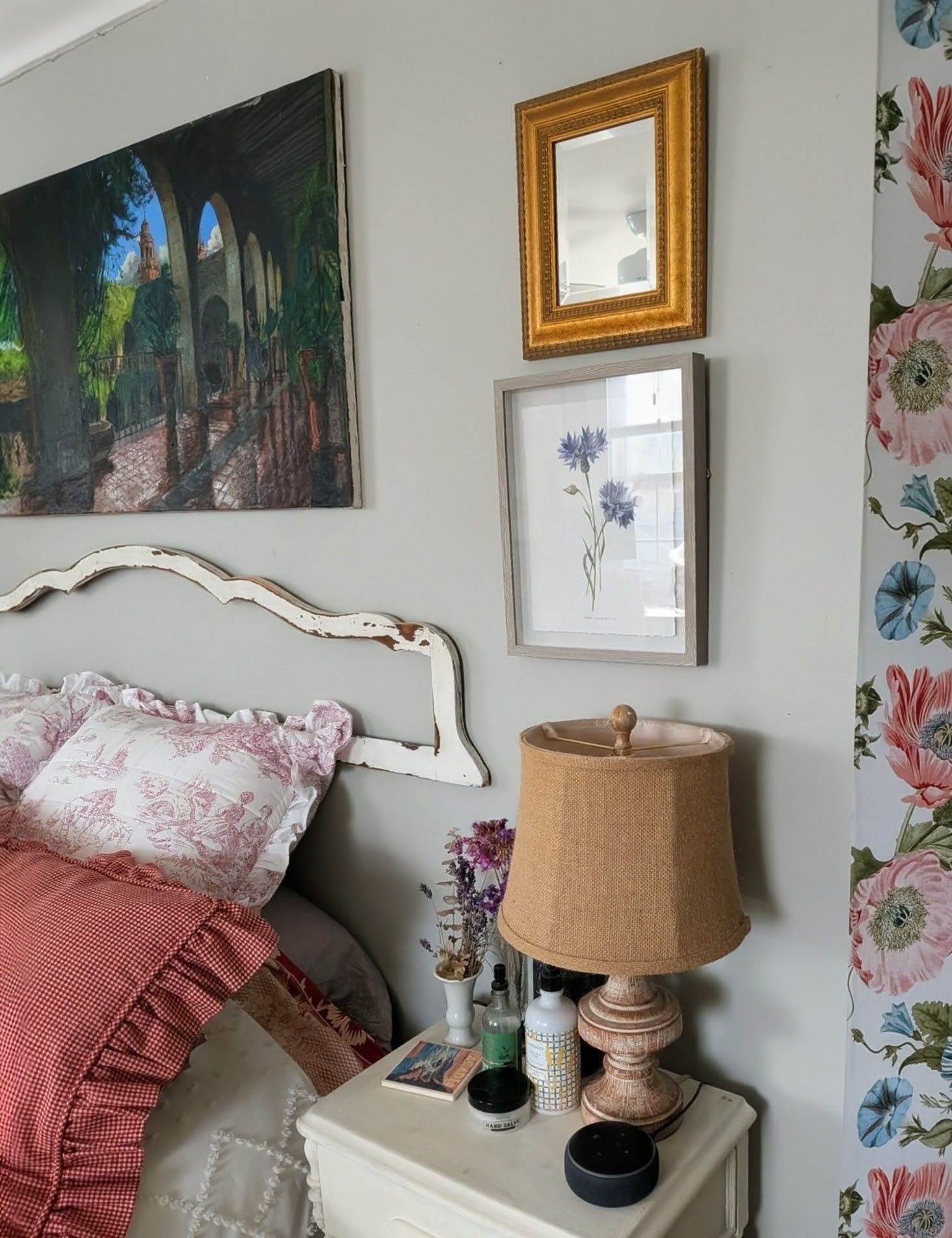
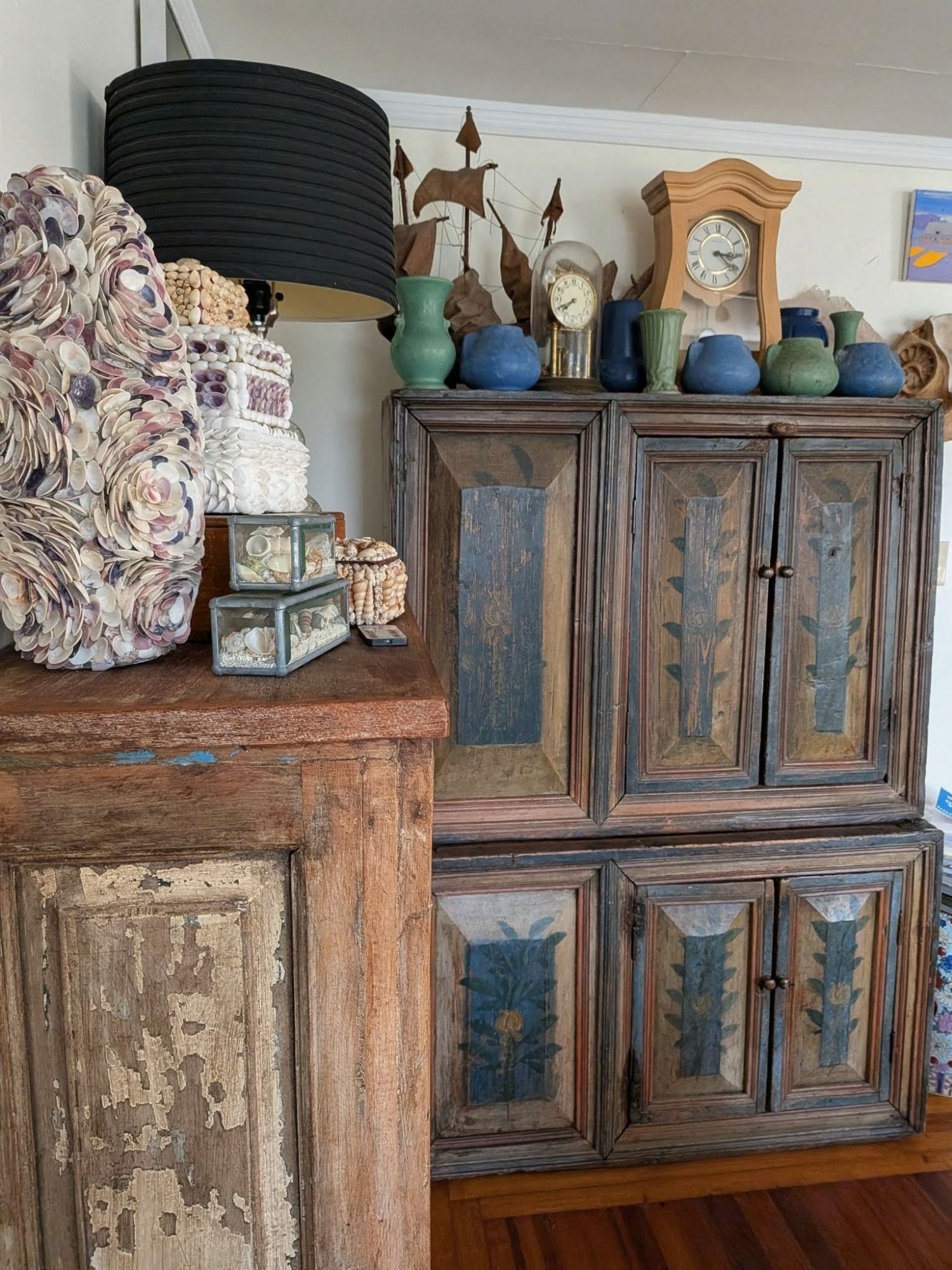
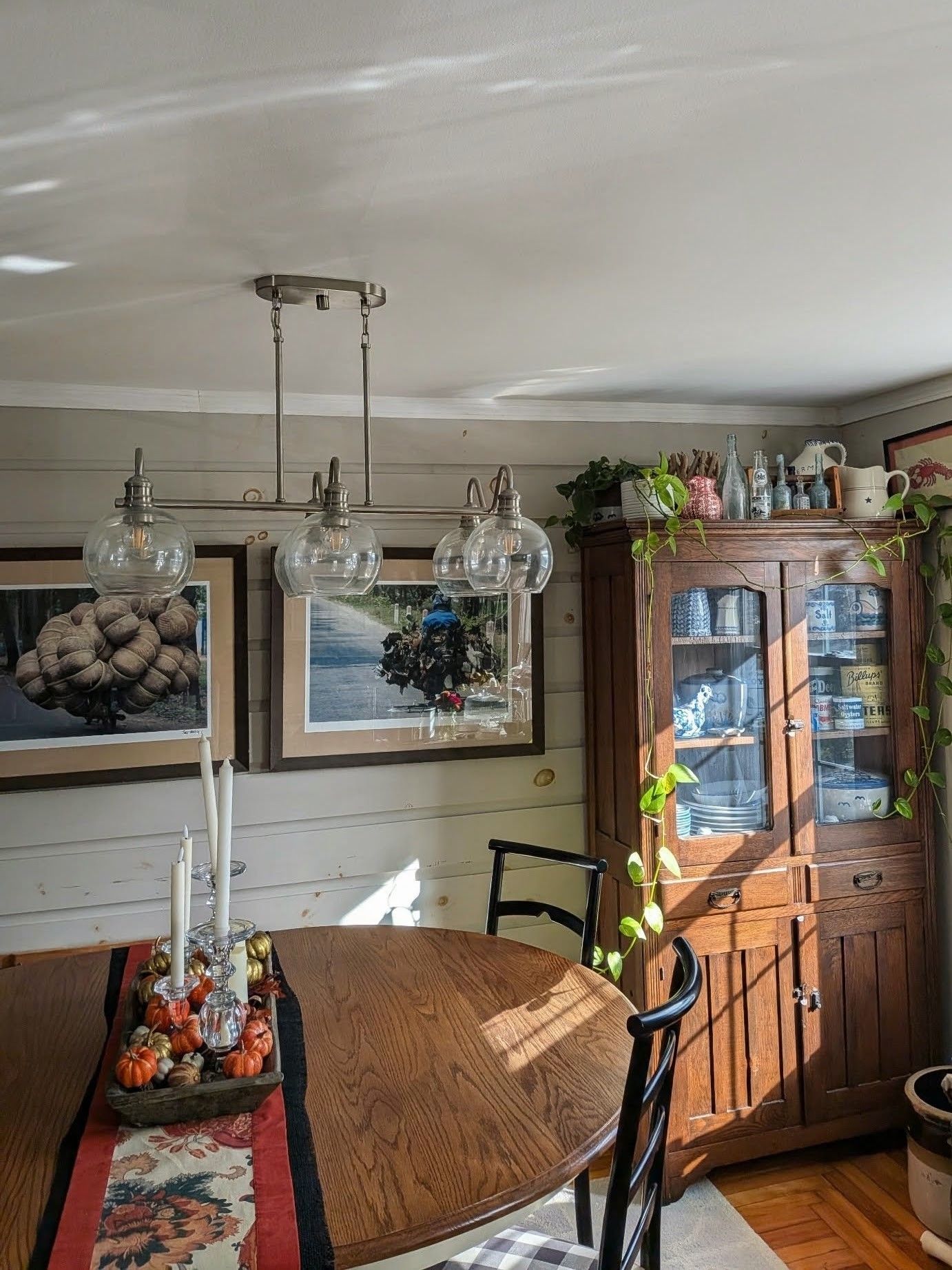
We’ve been thinking a lot lately about what actually makes a country home feel like a country home.
After spending a weekend at the Country Living Fair, listening to designers, meeting people whose homes we’ve admired for years, and taking in more decorating inspiration than we could possibly process in one weekend, we kept coming back to one simple idea.
If you like it, it will all go together.
Now, we don’t think that means throwing absolutely anything into a room without thinking about it. But we do think we’ve become far too concerned with whether our homes follow a particular style, color palette, or set of decorating rules.
Some of the most beautiful English country homes we’ve seen don’t appear to follow any rules at all.
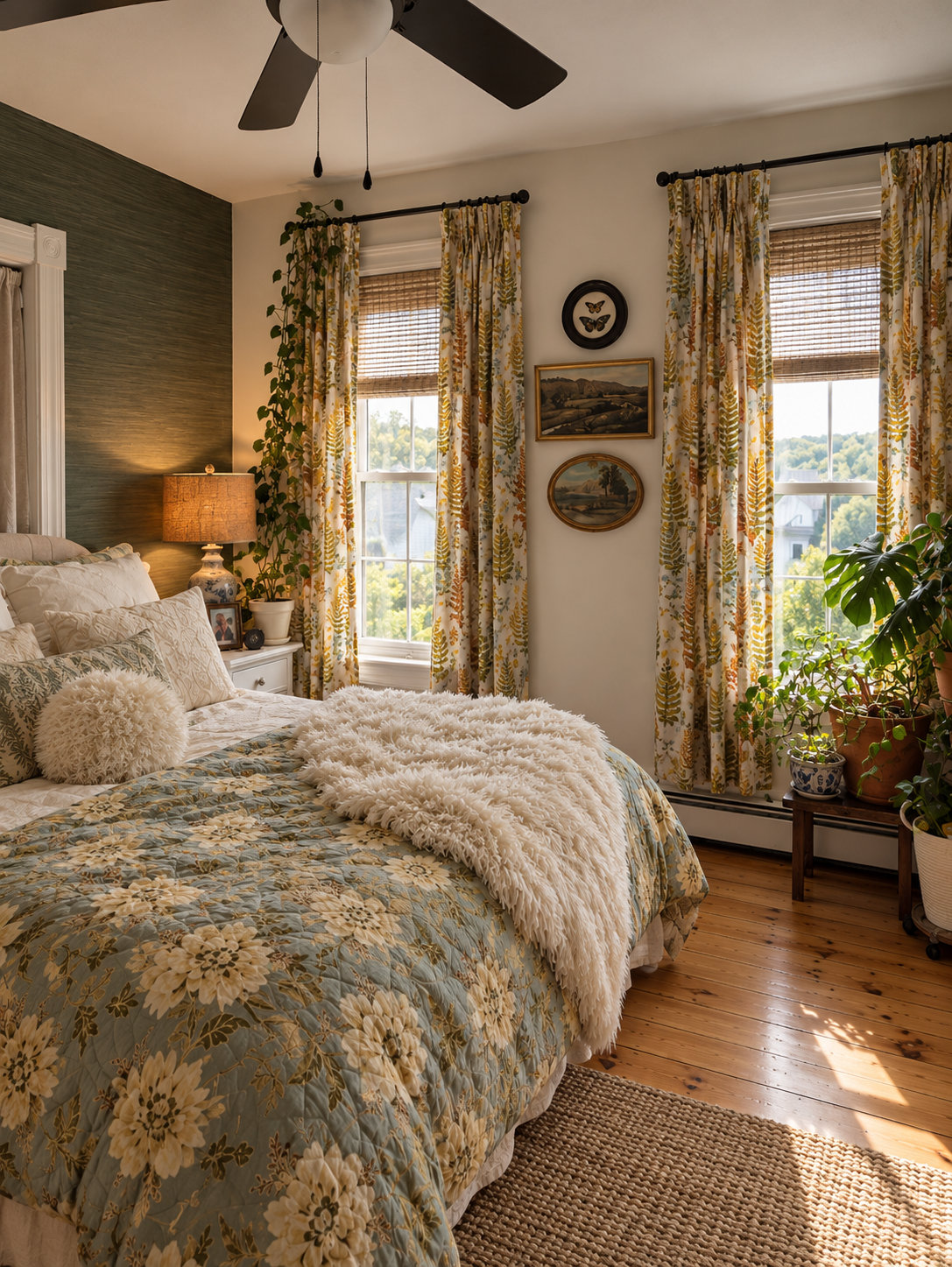
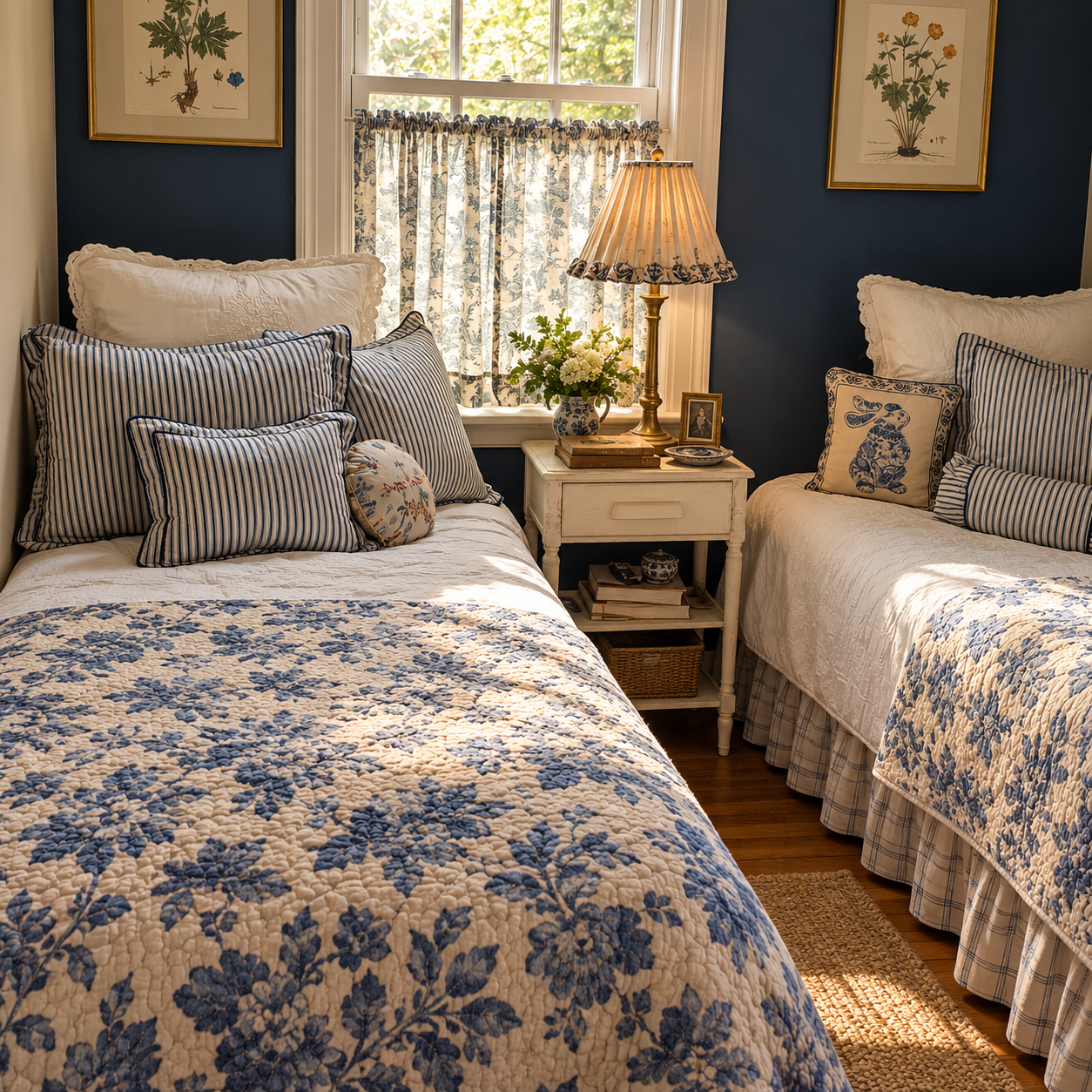
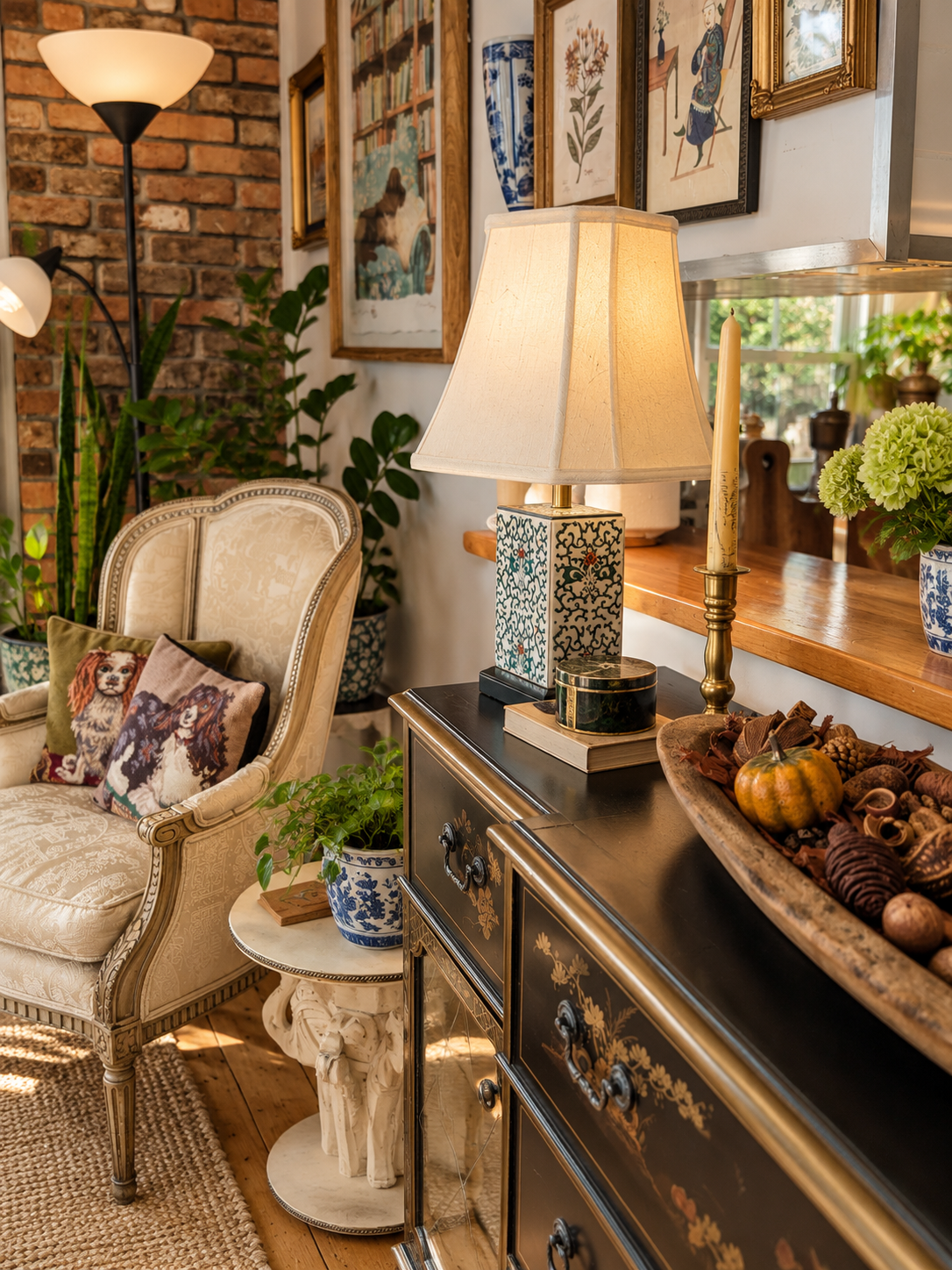
They have patterned curtains alongside patterned upholstery. Antique furniture next to newer pieces. Books stacked on tables, artwork covering walls, china displayed in cabinets, and objects collected from travels, family, flea markets, and antique shops.
And somehow, it all works.
A Home Should Look Collected, Not Purchased
One of the things we’ve always believed at Upstate Vintage Living is that a home should develop over time.
You shouldn’t need to walk into a furniture store and purchase an entire matching room to make your house beautiful. In fact, we would argue that doing so can sometimes take away the very thing that makes a home interesting.
Think about the pieces you love most in your own home.
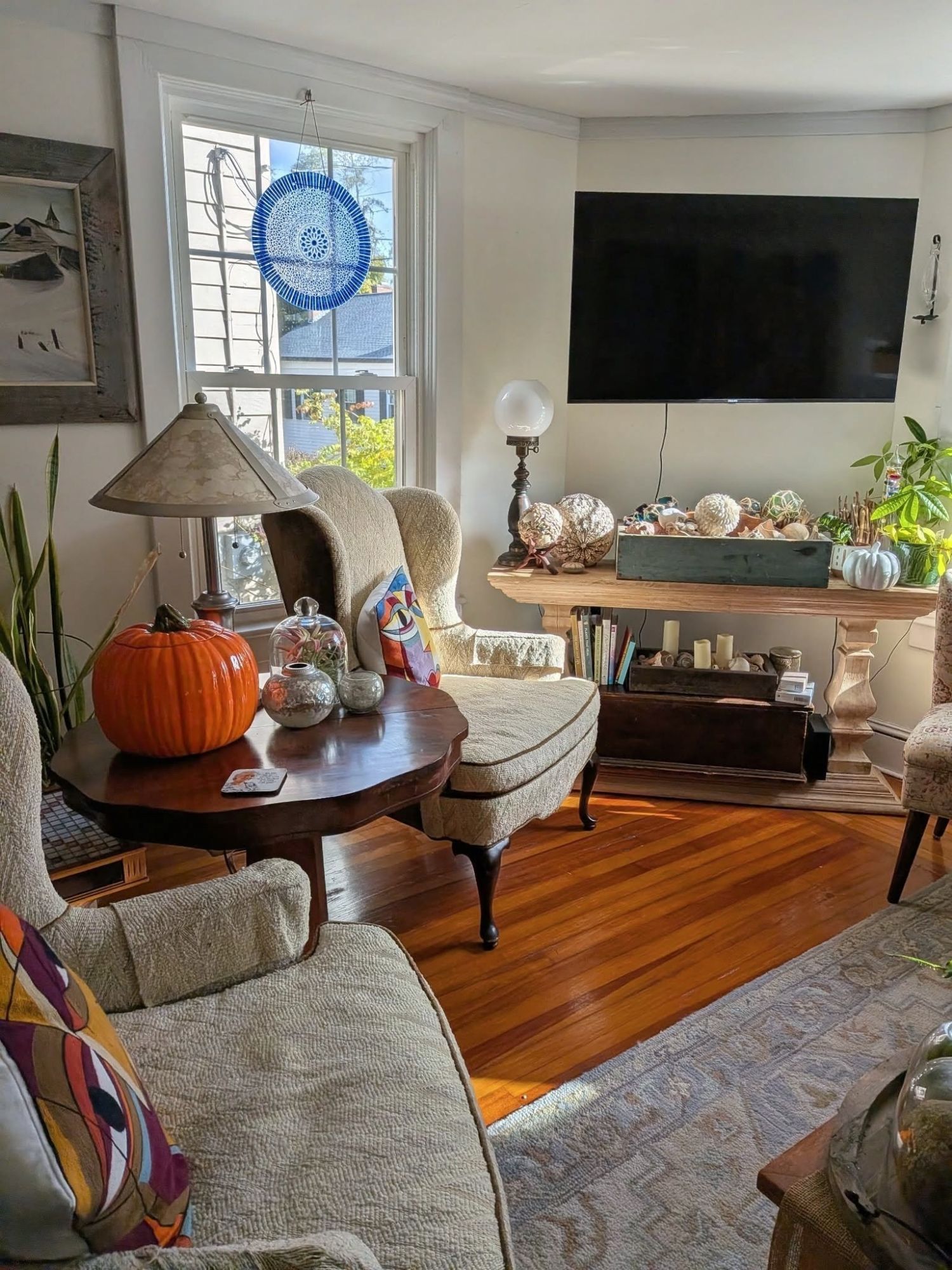
Maybe it’s a table that belonged to your grandmother. A painting you found at an estate sale. A chair you bought years ago and have moved through three different houses. Or a piece of pottery you picked up while traveling.
Those objects have stories.
And when you bring them together, your home begins to tell yours.
Mixing Old With New
Our own homes are filled with a mixture of styles and periods.
We love antiques, but that doesn’t mean everything has to be antique. Sometimes a newer sofa is exactly what a room needs. Sometimes an inexpensive lamp works beautifully beside an old wooden table. And sometimes a piece that looks completely out of place in one room becomes the thing that brings another room together.
Country decorating is about layering those elements until the space feels comfortable, personal, and lived in.
Not perfect. Not coordinated down to the last pillow.
Just right for the people who live there.
Give Yourself Permission to Break the Rules
Perhaps my favorite takeaway from the Country Living Fair was the reminder that decorating should actually be enjoyable.
You don’t have to choose one period. You don’t have to match every wood finish. And you certainly don’t have to replace something you love simply because it no longer fits a trend.
Start with what you have. Add what you love. Move things around. Experiment.
And remember that a beautiful home doesn’t have to be finished by next weekend.
The best country homes look as though they’ve been collected over a lifetime-because often, they have.
So here’s my question: What’s one piece in your home that doesn’t necessarily match anything else, but you wouldn’t dream of getting rid of?

